Custom high visibility clothing mistakes that raise safety risks
Author
Date Published
Reading Time
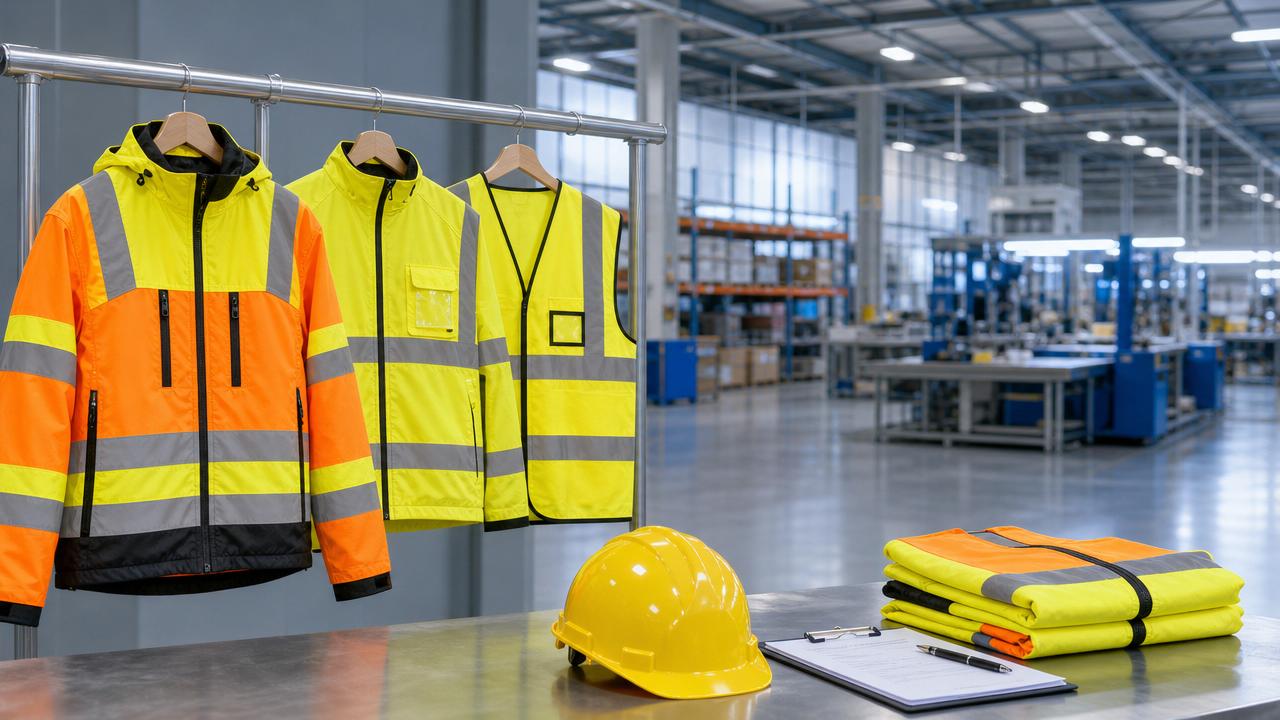
For quality control teams and safety managers, custom high visibility clothing can improve compliance, identity, and site discipline. Yet poor design choices can quietly reduce conspicuity and raise preventable safety risks.
Across mixed industrial settings, visibility performance is now judged more strictly. Warehousing, utilities, fabrication, logistics, field service, and maintenance operations face tighter scrutiny, faster audits, and harsher liability exposure.
That shift makes custom high visibility clothing more than a branding item. It becomes a control point connecting worker protection, standard compliance, garment durability, and operational credibility.
Visibility standards are tightening as worksites become more complex
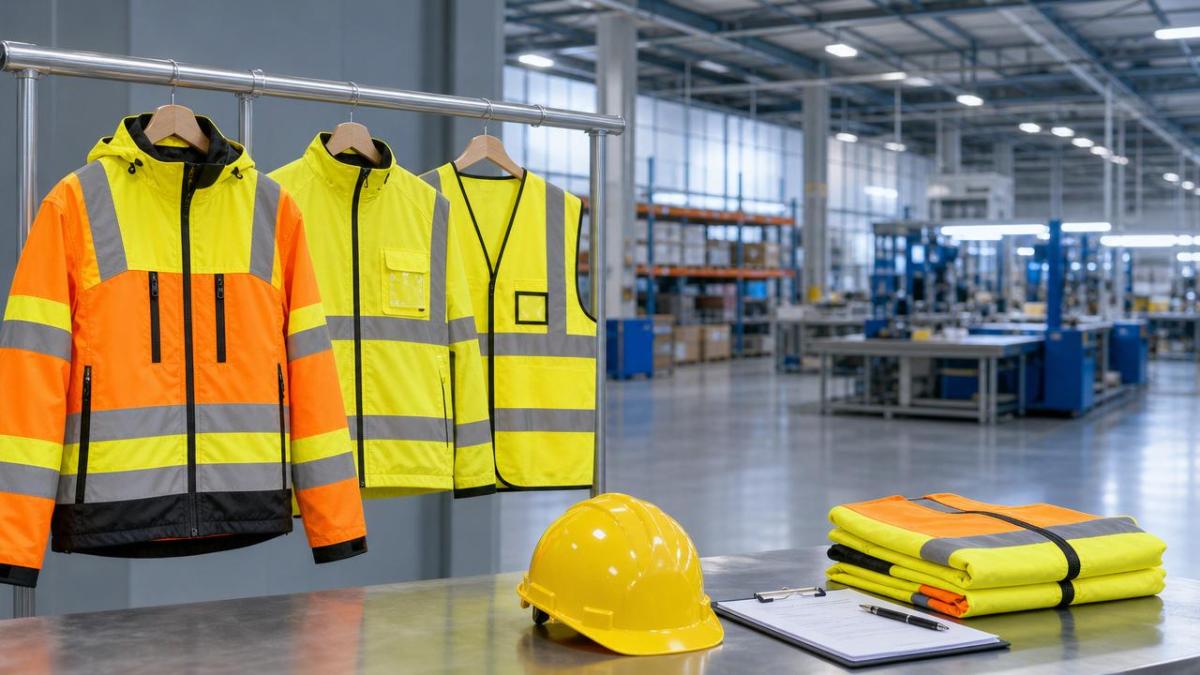
Traffic density, automated equipment, low-light schedules, and multi-contractor environments are changing how custom high visibility clothing is evaluated. Simple color brightness is no longer enough.
Sites now expect garments to remain visible during movement, bending, weather exposure, and repeated laundering. Customization that ignores these conditions can undermine real-world safety performance.
In many sectors, custom high visibility clothing must align with ANSI, ISO, or local regulations. Non-compliant logos, blocked tape, or incorrect garment classes can create hidden compliance gaps.
Why this matters beyond basic PPE selection
When incidents occur, visibility garments are often reviewed as evidence. If custom high visibility clothing was altered poorly, risk expands from worker injury to insurance disputes and corrective actions.
This is especially relevant in integrated industrial ecosystems. High-energy processing, heavy transport zones, inspection routes, and thermal work areas demand uninterrupted visual recognition from multiple angles.
The most common custom high visibility clothing mistakes are avoidable
The main risks are rarely dramatic at the ordering stage. They emerge later, after garments fade, shrink, tear, or lose reflective performance in demanding operating conditions.
Frequent mistakes that reduce visibility
- Choosing fashion-driven shades instead of certified fluorescent background colors.
- Placing large logos over reflective bands or visibility zones.
- Using low-grade tape that cracks, peels, or dims after washing.
- Selecting fabrics unsuited for heat, oil, abrasion, or moisture exposure.
- Ignoring garment class requirements for roadway, plant, or yard environments.
- Adding pockets, vents, or trims that interrupt required reflective patterns.
- Assuming one design fits indoor handling, outdoor traffic, and night work equally.
How these mistakes happen
Material and customization choices now carry greater operational impact
Modern worksites demand garments that survive more than visual inspection. Custom high visibility clothing must handle wash cycles, friction points, climate stress, and task-specific movement without losing function.
A breathable vest may work in a distribution center. The same item may fail near welding areas, heated equipment, chemical splash zones, or abrasive maintenance tasks.
This is why customization cannot be isolated from material engineering. Fabric weight, seam construction, closure design, reflective tape attachment, and print method all affect service safety.
Higher-risk customization decisions
- Large back prints that cover retroreflective surfaces.
- Dark contrast panels placed excessively on the torso.
- Embroidery that punctures waterproof or flame-resistant layers.
- Heat-transfer decoration applied without performance validation.
- Unisex sizing that creates loose drape or restricted movement.
The consequences extend across safety, compliance, and process continuity
Poorly specified custom high visibility clothing affects more than individual wearers. It can slow site approvals, trigger replacement costs, increase near-miss frequency, and complicate contractor management.
Where visibility is critical around moving assets, mistakes reduce reaction time. Forklifts, service vehicles, cranes, and mobile plant operators rely on instant recognition under imperfect conditions.
There is also a documentation burden. If custom high visibility clothing differs by team, shift, supplier lot, or region, standardization weakens and audit trails become harder to defend.
Business areas affected by poor garment design
- Incident prevention and site hazard control
- PPE policy consistency across locations
- Laundry life-cycle cost and replacement planning
- Client audits, contractor onboarding, and compliance reviews
- Worker comfort, adoption, and correct daily wear
Safer custom high visibility clothing starts with a stricter review framework
The strongest programs treat custom high visibility clothing as a controlled specification, not a simple apparel order. Review should connect hazard mapping, compliance, branding, and durability testing.
Priority checks before approval
- Confirm required garment class for each task environment.
- Validate fluorescent color and reflective tape certification.
- Review logo size and location against visibility zones.
- Check fabric suitability for heat, moisture, and contamination.
- Request wash, abrasion, and attachment performance data.
- Field-test samples during real movement and actual lighting.
- Document approved artwork, materials, and replacement thresholds.
A practical evaluation model
The next step is to align branding with protective performance
Well-designed custom high visibility clothing can support safety culture and visual identity at the same time. The key is to let hazard performance define the limits of customization.
Start by reviewing current garments against actual site conditions, not catalog descriptions alone. Then compare logo placement, tape layout, fabric performance, and replacement history.
If gaps appear, update the specification before the next order cycle. Better custom high visibility clothing reduces risk exposure, strengthens consistency, and supports more defensible safety outcomes.
For operations seeking resilient PPE programs, the best investment is a documented approval process where every custom high visibility clothing decision is tested against visibility, durability, and compliance reality.
Technical Specifications
Expert Insights

Chief Security Architect
Dr. Thorne specializes in the intersection of structural engineering and digital resilience. He has advised three G7 governments on industrial infrastructure security.
Related Analysis
- Sep 01, 2026How to Evaluate an Industrial Valves Distributor for Reliable Process PerformanceAuthor :Lina Cloud
- Aug 31, 2026How to Size Spring-Loaded Safety Relief Valves for Process Overpressure ScenariosAuthor :Dr. Elena Carbon
- Aug 30, 2026Laser PPE Requirements: Selecting Eyewear and Controls by Laser ClassAuthor :Dr. Aris Nano
Recommended News
- How to Evaluate an Industrial Valves Distributor for Reliable Process PerformanceAuthor :Lina Cloud

- How to Size Spring-Loaded Safety Relief Valves for Process Overpressure ScenariosAuthor :Dr. Elena Carbon

- Laser PPE Requirements: Selecting Eyewear and Controls by Laser ClassAuthor :Dr. Aris Nano

- Selecting High-Pressure Pump Shaft Seals for Abrasive, High-Temperature ServiceAuthor :Dr. Elena Carbon