Wholesale Lightning Arresters: Key Specs for Bulk Purchasing
Author
Date Published
Reading Time
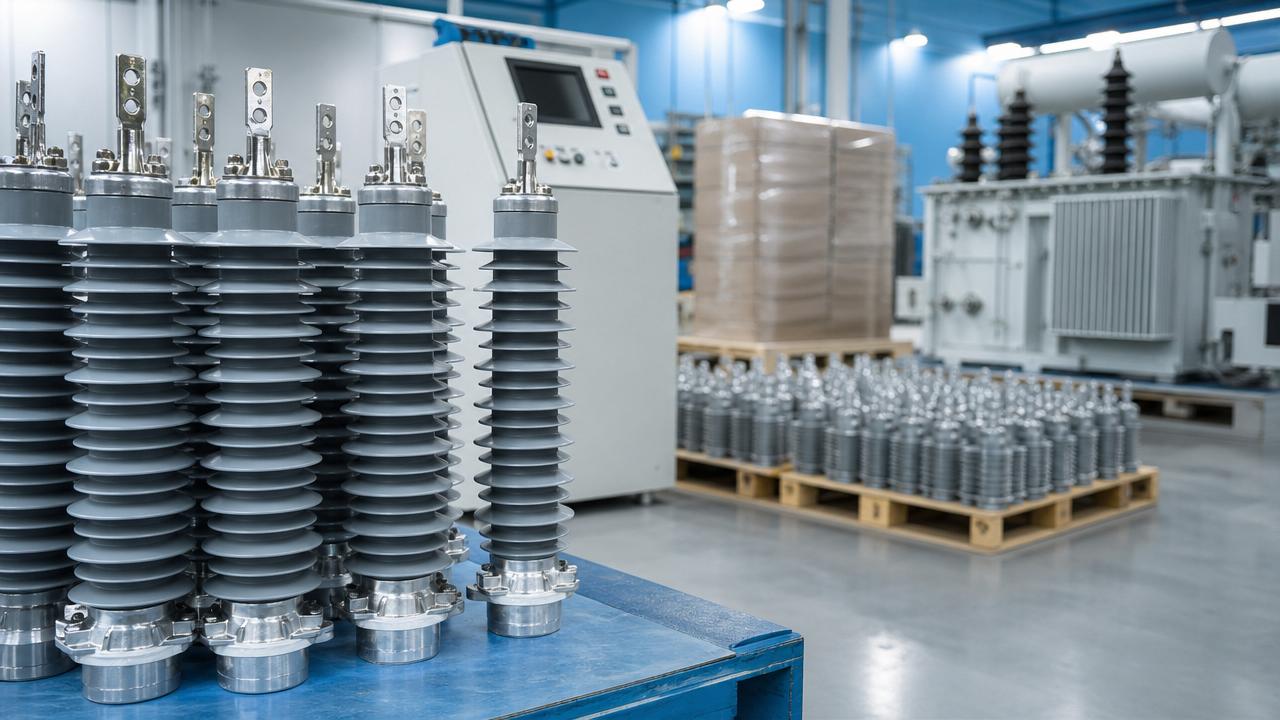
Sourcing wholesale lightning arresters is not just a price negotiation. It is a technical risk decision tied to uptime, grid reliability, and compliance.
Before placing a bulk order, compare rated voltage, discharge current, insulation class, housing material, certification, and traceability. These checks reduce failure risk and protect long-life assets.
Why Wholesale Lightning Arresters Need a Structured Checklist
Lightning protection products look simple from the outside. In practice, their performance depends on electrical coordination, material stability, and installation environment.
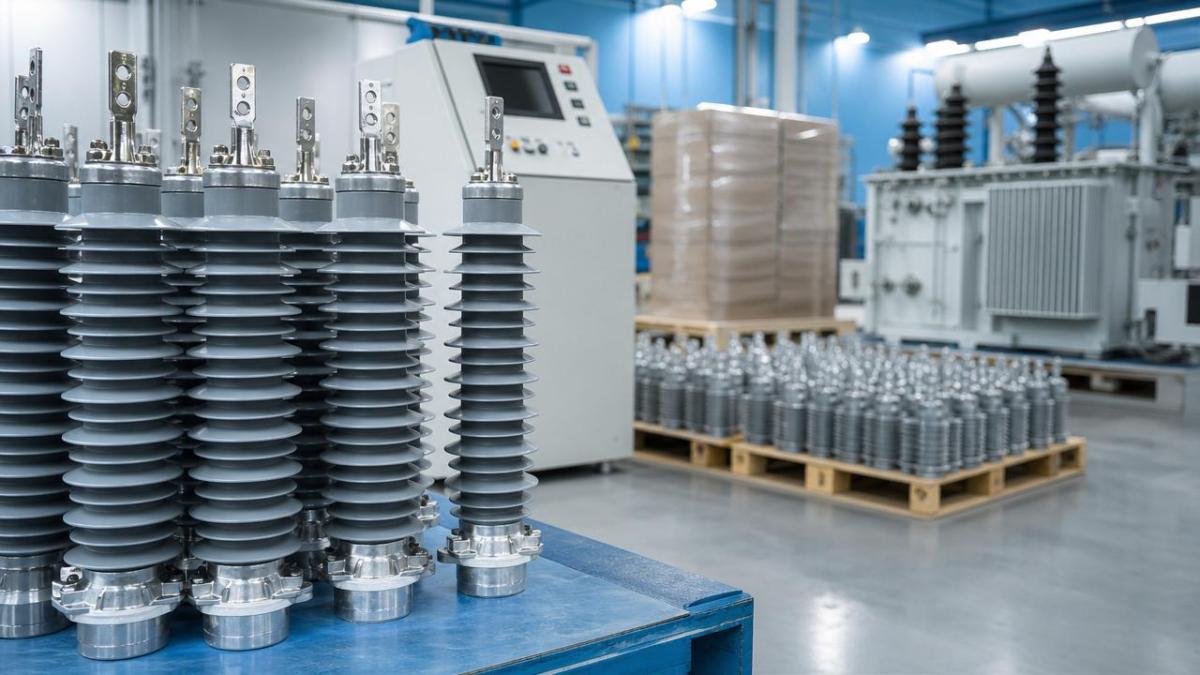
A low-cost arrester can become expensive if it fails during a surge event. Replacement work, outage penalties, and equipment damage often exceed initial savings.
A checklist makes comparison transparent. It also helps align engineering requirements, inspection criteria, and supplier documentation before shipment.
For bulk purchasing, wholesale lightning arresters should be evaluated as safety-critical components, not generic electrical accessories.
Core Specification Checklist for Wholesale Lightning Arresters
Use the following checklist to compare quotations, technical datasheets, samples, and factory claims before confirming large-volume orders.
- Verify rated voltage against the actual system voltage, grounding method, and temporary overvoltage conditions expected during abnormal grid operation.
- Check nominal discharge current, maximum discharge current, and impulse waveform data instead of relying only on generic surge protection labels.
- Compare residual voltage values, because lower protective levels help reduce stress on transformers, switchgear, meters, and control equipment.
- Confirm insulation class, creepage distance, and pollution level suitability for coastal, industrial, desert, or high-humidity installation sites.
- Review housing material carefully, especially silicone rubber, porcelain, or polymer options used for outdoor wholesale lightning arresters.
- Demand clear standards compliance, including IEC, IEEE, ANSI, or local utility requirements applicable to the target market.
- Inspect thermal stability data, short-circuit withstand rating, and pressure relief design for safe operation during severe fault events.
- Request routine test records, type test summaries, batch numbers, and production traceability before accepting any bulk shipment.
- Check mounting hardware, terminals, brackets, sealing structure, and accessory compatibility to avoid field installation delays.
- Confirm packaging strength, labeling accuracy, pallet protection, and moisture control for long-distance transport and warehouse storage.
Key Electrical Parameters to Compare Before Bulk Ordering
Electrical ratings define whether wholesale lightning arresters can coordinate with the protected equipment. Small rating mismatches can shorten arrester life.
Do not compare products by nominal voltage alone. Two arresters with the same voltage class may have very different protection levels.
For wholesale lightning arresters, request complete curves and test values. A serious supplier should provide more than a one-page catalog.
Material, Housing, and Environmental Durability Checks
Outdoor arresters face rain, ultraviolet exposure, dust, salt fog, and temperature cycling. Housing performance directly affects long-term insulation reliability.
Polymer and Silicone Rubber Housing
Polymer housings are lightweight and resistant to breakage. Silicone rubber also offers hydrophobicity, which helps limit leakage current on polluted surfaces.
When buying wholesale lightning arresters, ask for aging tests, tracking resistance, UV performance, and adhesion quality between housing and core.
Porcelain Housing
Porcelain provides strong mechanical rigidity and long service history. However, it is heavier and requires careful transport protection.
Check glaze quality, sealing design, and mechanical strength. Hidden cracks can compromise insulation during temperature or pressure stress.
Sealing and Moisture Protection
Moisture ingress is a common root cause of arrester degradation. It can increase leakage current and accelerate internal heating.
For bulk lots, confirm sealing process control, end fitting quality, and routine leakage checks before shipment release.
Application Scenarios and Selection Notes
Utility Distribution Networks
Distribution lines need arresters that coordinate with transformers, reclosers, and cutouts. The installation environment often varies across the same project.
For utility-scale wholesale lightning arresters, confirm voltage class, pollution level, mounting type, and compatibility with local line hardware.
Industrial Facilities
Factories, process plants, and thermal-processing sites often operate motors, drives, control panels, furnaces, and high-value automation systems.
Surge protection should consider internal switching surges as well as lightning. Equipment sensitivity and downtime cost should guide selection.
Renewable Energy and Infrastructure Projects
Solar farms, wind stations, rail systems, and telecom sites face wide exposure areas. Surge paths can enter through power, signal, or grounding networks.
In these applications, wholesale lightning arresters should be matched with grounding design, cabinet protection, and surge coordination strategy.
Supplier Verification for Wholesale Lightning Arresters
A strong datasheet is useful, but production consistency matters more in bulk purchasing. Supplier verification should cover engineering, manufacturing, and quality control.
- Request factory capability details, including production lines, routine testing equipment, inspection procedures, and annual output capacity.
- Compare type test reports with the exact model, voltage class, housing type, and standard named in the quotation.
- Ask for sample testing before mass production, especially when changing suppliers, materials, packaging, or technical specifications.
- Confirm whether private labeling, barcode traceability, carton markings, and multilingual documentation are available for the destination market.
- Define acceptance rules for visual defects, dimensional tolerance, terminal quality, leakage current, and incomplete documentation.
For wholesale lightning arresters, avoid vague promises such as “standard quality” or “export grade.” Require measurable evidence.
Common Overlooked Risks in Bulk Purchasing
Incorrect Voltage Matching
Using an arrester with unsuitable rated voltage can cause overheating, premature aging, or weak protection. Always evaluate grounding and temporary overvoltage conditions.
Incomplete Certification Review
Certificates should match the product model and standard version. Generic certificates may not prove compliance for the ordered arrester type.
Weak Batch Traceability
If serial numbers and batch records are missing, failure investigation becomes difficult. Traceability is essential for replacement control and warranty claims.
Packaging Damage During Transport
Bulk pallets may experience vibration, compression, and moisture exposure. Poor packaging can damage housings, terminals, or labels before installation.
Lowest Price Without Life-Cycle Review
The lowest quote may exclude testing, stronger packaging, accessories, or documentation. Compare delivered cost and field reliability, not only unit price.
Practical Execution Plan Before Confirming an Order
Start with a technical specification sheet. Define voltage class, standard, current rating, housing, mounting method, packaging, and document requirements.
Then shortlist suppliers based on evidence. Prioritize proven test reports, stable production control, and clear communication on deviations.
Order samples for verification when the project allows. Check appearance, dimensions, markings, accessories, and documentation against the agreed specification.
For large quantities of wholesale lightning arresters, use pre-shipment inspection. Include random sampling, packaging checks, labeling review, and document confirmation.
Keep all technical files organized. Datasheets, certificates, test reports, invoices, and batch lists should remain linked to each delivery lot.
Conclusion and Next-Step Checklist
Reliable surge protection depends on correct specification, verified manufacturing, and disciplined inspection. Price is important, but it cannot replace technical validation.
Before buying wholesale lightning arresters, confirm ratings, standards, materials, testing records, packaging, and traceability. These steps reduce both electrical and commercial risk.
- Prepare a written specification before requesting quotations from any supplier.
- Compare technical parameters side by side, not only product photos or unit prices.
- Request test evidence, batch traceability, and inspection criteria before mass production.
- Confirm packaging and logistics protection for every bulk shipment.
- Document each decision so future replacement and warranty handling remain efficient.
A disciplined checklist turns wholesale lightning arresters purchasing into a controlled engineering decision. That is the safest path to durable, compliant, and cost-effective protection.
Technical Specifications
Expert Insights

Chief Security Architect
Dr. Thorne specializes in the intersection of structural engineering and digital resilience. He has advised three G7 governments on industrial infrastructure security.
Related Analysis
- Sep 01, 2026How to Evaluate an Industrial Valves Distributor for Reliable Process PerformanceAuthor :Lina Cloud
- Aug 31, 2026How to Size Spring-Loaded Safety Relief Valves for Process Overpressure ScenariosAuthor :Dr. Elena Carbon
- Aug 30, 2026Laser PPE Requirements: Selecting Eyewear and Controls by Laser ClassAuthor :Dr. Aris Nano
Recommended News
- How to Evaluate an Industrial Valves Distributor for Reliable Process PerformanceAuthor :Lina Cloud

- How to Size Spring-Loaded Safety Relief Valves for Process Overpressure ScenariosAuthor :Dr. Elena Carbon

- Laser PPE Requirements: Selecting Eyewear and Controls by Laser ClassAuthor :Dr. Aris Nano

- Selecting High-Pressure Pump Shaft Seals for Abrasive, High-Temperature ServiceAuthor :Dr. Elena Carbon