Why safety barricades wholesale pricing varies so much
Author
Date Published
Reading Time
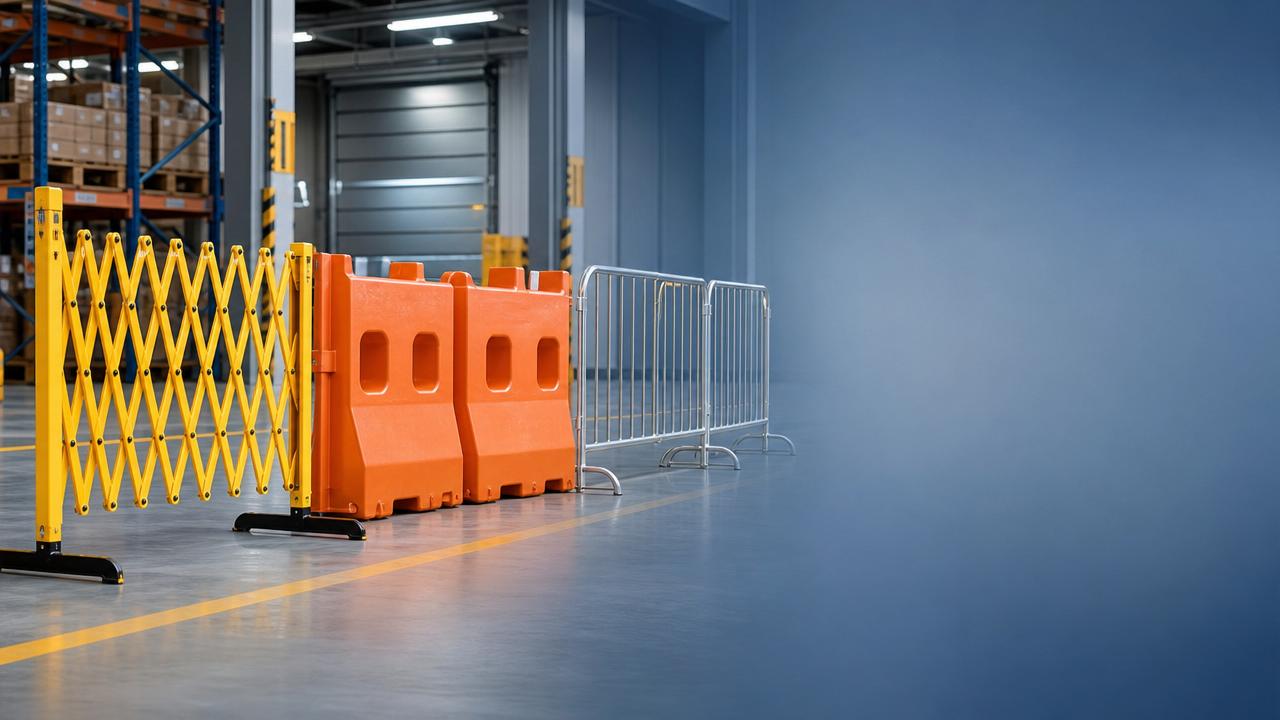
For procurement teams, safety barricades wholesale pricing can seem inconsistent at first glance. In reality, the wide price gap is driven by material grade, compliance requirements, customization, order volume, and supplier capabilities.
Understanding these factors helps buyers compare quotes more accurately, reduce sourcing risk, and secure barricade solutions that match both operational safety standards and long-term cost objectives.
Understanding the cost structure behind safety barricades wholesale
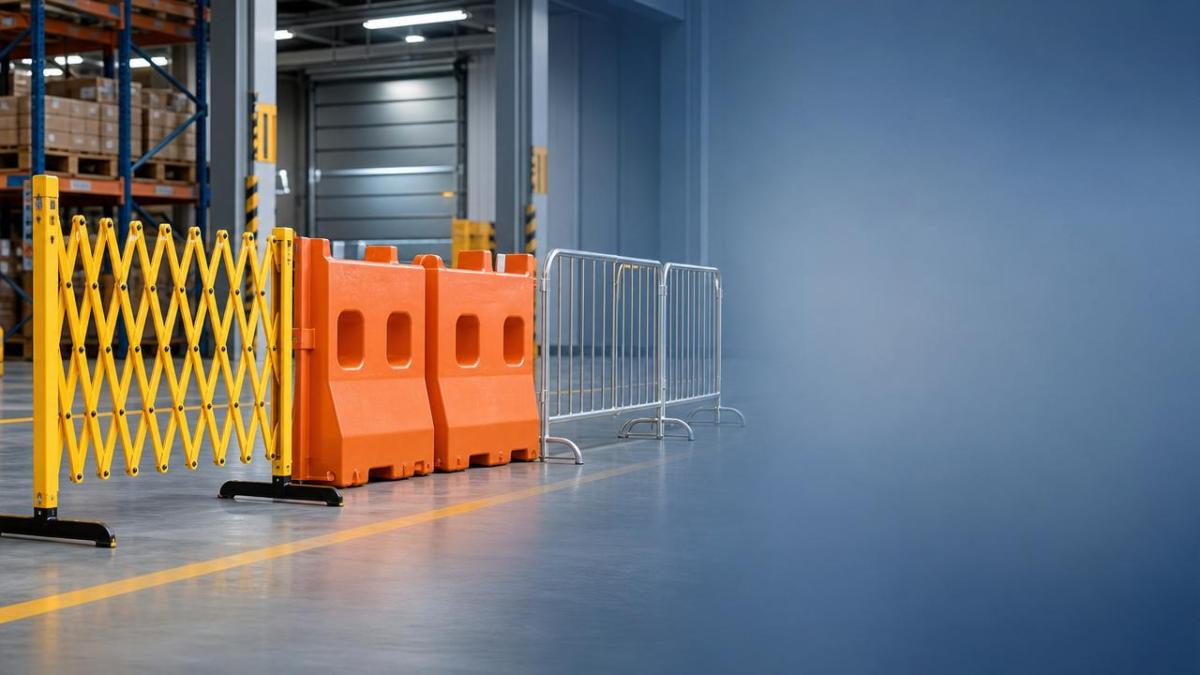
The term safety barricades wholesale covers a broad range of protective products. Temporary pedestrian barriers, heavy-duty steel barricades, expandable gates, and industrial warning barriers do not share the same cost base.
That is why two quotations may look similar at a distance, yet differ sharply in total landed cost, service life, and compliance reliability.
In comprehensive industrial environments, barricades support traffic control, maintenance isolation, event routing, warehouse zoning, and emergency response separation.
For technical organizations like G-EBT, procurement decisions often connect safety barriers with broader operational control, facility discipline, and standards-driven risk management.
What is included in a wholesale price
A true safety barricades wholesale quote usually includes more than unit price. It may also reflect tooling, finishing, packaging, inspection, freight preparation, and documentation.
- Base material and wall thickness
- Surface treatment or UV protection
- Connection design and stability features
- Testing, certification, and traceability records
- Private labeling or color customization
- Export packing and shipping configuration
When one supplier excludes these elements and another includes them, safety barricades wholesale pricing can appear inconsistent even when the product category is identical.
Core pricing variables shaping market differences
The largest price variations usually come from technical specifications. Small changes in structure can create major changes in durability, transport efficiency, and safety performance.
Material selection
Plastic barricades often use HDPE, PP, or modified polymers. Steel versions may use galvanized carbon steel, powder-coated tubing, or stainless grades for corrosive settings.
Resin quality affects impact resistance, color retention, and crack behavior. Metal grade affects load capacity, rust resistance, and repair life.
Manufacturing method
Blow molding, injection molding, welding precision, and tube bending consistency influence reject rates and product reliability. Better process control often raises price but lowers field failure risk.
Compliance requirements
Some projects require OSHA alignment, local traffic safety rules, fire visibility standards, or site-specific engineering criteria. Compliance evidence adds testing cost and documentation workload.
Customization depth
Custom dimensions, anti-static materials, reflective tapes, branded panels, multilingual warning text, or specialized connectors can significantly change safety barricades wholesale pricing.
Order volume and production planning
Large orders can reduce tooling allocation and packaging cost per unit. However, low-volume custom orders may carry setup charges that make the unit price look unusually high.
Industry signals affecting safety barricades wholesale trends
Market pricing also reacts to broader industrial pressures. These signals help explain why safety barricades wholesale quotations shift over time, even without major drawing changes.
- Volatility in resin, steel, and aluminum markets
- Energy and thermal-processing costs in fabrication
- Freight rates, container availability, and regional duties
- Stricter workplace safety enforcement
- Demand for reusable, modular, and recyclable barrier systems
For industrial facilities with advanced production lines, even simple safety infrastructure is expected to meet tighter housekeeping and hazard-control requirements.
That expectation raises demand for stronger, cleaner, longer-lasting products rather than lowest-price options alone.
Why low quotes can create higher lifecycle cost
A low upfront quote in safety barricades wholesale sourcing may hide weaker materials, shorter usable life, poor packing, or incomplete certification support.
In practice, replacement frequency often matters more than the initial invoice. A barrier that fades, cracks, bends, or loosens quickly can increase total cost.
Common hidden cost areas
- Unexpected breakage during transport
- Inconsistent dimensions that slow installation
- Poor visibility in low-light conditions
- Missing documentation for audits or site approval
- Frequent repainting or early corrosion repair
This is especially relevant in sectors where operating discipline matters, such as warehouses, utilities, transport hubs, laboratories, fabrication shops, and mixed-use industrial campuses.
Typical safety barricades wholesale categories and use cases
Different environments call for different barricade types. Comparing like-for-like categories is essential before judging a quotation.
The phrase safety barricades wholesale should therefore be narrowed by environment, load exposure, mobility need, and regulatory context before a price comparison begins.
Practical evaluation methods for stronger quote comparison
A disciplined sourcing process reduces confusion and improves negotiating clarity. It also reveals whether a premium quote reflects real value or unnecessary cost.
Use a fixed specification sheet
Lock material type, dimensions, finish, color, connectors, labels, and packing format before requesting safety barricades wholesale quotations.
Request evidence, not claims
Ask for material data, coating details, test reports, photos of production, and sample inspection records. This limits ambiguity in quote interpretation.
Check total delivered cost
Compare tooling, accessories, spare parts, packaging method, freight terms, and import charges. Unit price alone does not define the better wholesale offer.
Review supplier process maturity
Process capability matters. Consistent forming, thermal treatment, welding control, and final inspection can justify a higher safety barricades wholesale price.
- Confirm batch consistency and quality traceability
- Check spare part support for modular systems
- Validate export packaging against handling risk
- Evaluate lead time stability during peak demand
Strategic sourcing perspective for long-term value
In the broad industrial market, safety barricades wholesale decisions should align with operating conditions, maintenance expectations, and compliance exposure.
A quote that appears expensive may deliver stronger value when it reduces downtime, replacement cycles, inspection failures, or transport damage.
A quote that appears cheap may become costly if barriers fail early or do not fit the actual site risk profile.
The smartest path is to treat safety barricades wholesale sourcing as a technical comparison, not only a price exercise.
Build a shortlist using clear specifications, sample validation, compliance review, and delivered-cost analysis. That approach supports safer operations and more predictable procurement results.
Technical Specifications
Expert Insights

Chief Security Architect
Dr. Thorne specializes in the intersection of structural engineering and digital resilience. He has advised three G7 governments on industrial infrastructure security.
Related Analysis
- Sep 01, 2026How to Evaluate an Industrial Valves Distributor for Reliable Process PerformanceAuthor :Lina Cloud
- Aug 31, 2026How to Size Spring-Loaded Safety Relief Valves for Process Overpressure ScenariosAuthor :Dr. Elena Carbon
- Aug 30, 2026Laser PPE Requirements: Selecting Eyewear and Controls by Laser ClassAuthor :Dr. Aris Nano
Recommended News
- How to Evaluate an Industrial Valves Distributor for Reliable Process PerformanceAuthor :Lina Cloud

- How to Size Spring-Loaded Safety Relief Valves for Process Overpressure ScenariosAuthor :Dr. Elena Carbon

- Laser PPE Requirements: Selecting Eyewear and Controls by Laser ClassAuthor :Dr. Aris Nano

- Selecting High-Pressure Pump Shaft Seals for Abrasive, High-Temperature ServiceAuthor :Dr. Elena Carbon