When wholesale fire alarm panels become a risky bargain
Author
Date Published
Reading Time
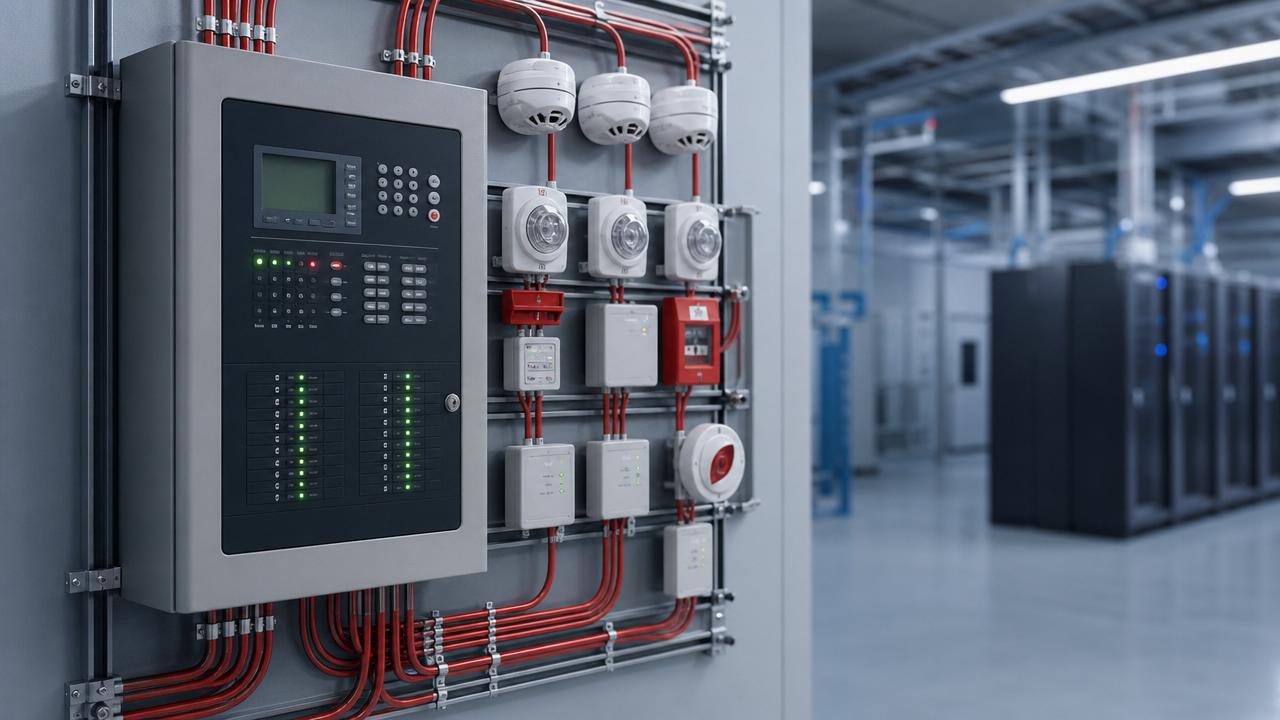
Wholesale fire alarm panels may look like a smart way to cut procurement costs, but for enterprise buyers, the real price often appears later in compliance gaps, system failures, and hidden lifecycle expenses.
When safety infrastructure supports high-value operations, a bargain that lacks reliability, certification, or integration capability can quickly become a strategic risk.
Why enterprise buyers search for wholesale fire alarm panels in the first place
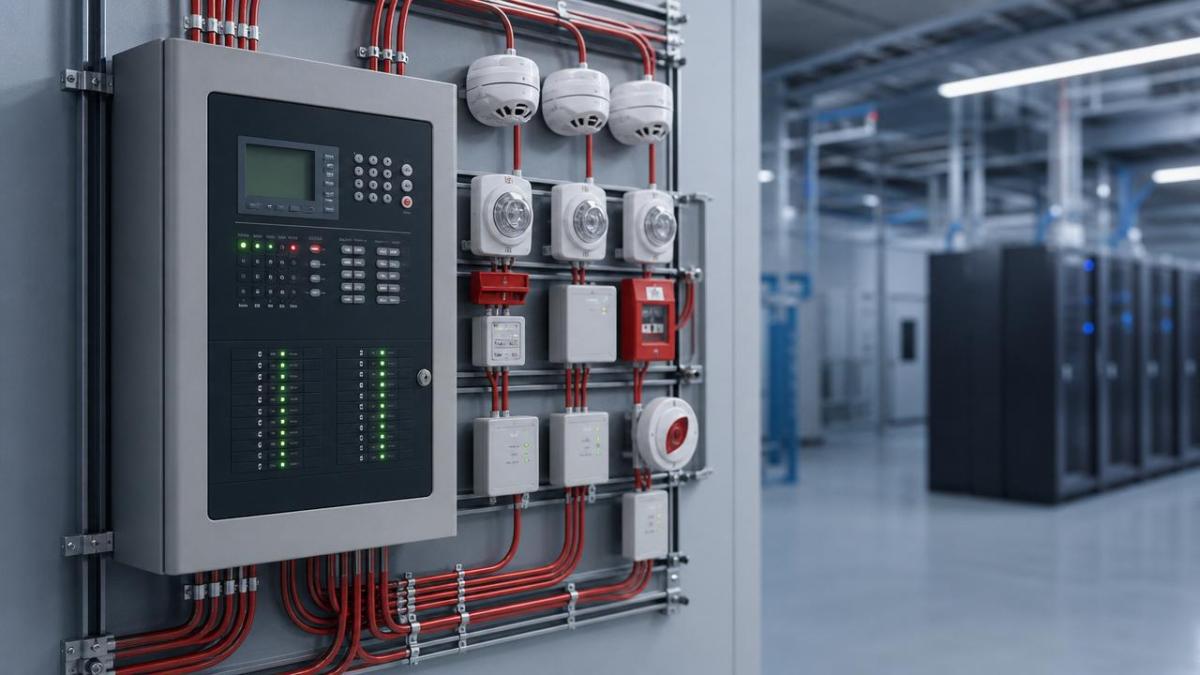
Enterprise buyers usually search for wholesale fire alarm panels because they need cost control at scale, faster sourcing, and supplier options for multi-site projects or retrofit programs.
But the core intent is rarely just “find the cheapest panel.” It is usually “find a commercially viable, compliant, supportable system without exposing operations to unacceptable safety risk.”
For decision-makers, that distinction matters. Fire alarm panels are not commodity boxes in the same way as cable trays, conduit, or generic mounting hardware.
They sit at the center of a life-safety ecosystem, linking detectors, notification devices, suppression interfaces, building controls, and emergency response procedures.
If the panel fails, is poorly configured, or cannot communicate with connected subsystems, the consequences extend far beyond replacement cost.
They can include business interruption, failed inspections, insurance disputes, contract penalties, reputational damage, and in the worst case, injury or loss of life.
When a low wholesale price becomes a high enterprise risk
A low quote becomes dangerous when procurement teams evaluate fire alarm panels mainly through upfront unit price instead of total operational exposure.
In industrial and high-value facilities, the panel must perform under strict environmental, electrical, and interoperability conditions.
A discount supplier may offer attractive pricing, yet provide incomplete certification records, unclear firmware history, undocumented component substitutions, or limited technical support after shipment.
Those weaknesses often stay hidden during purchasing and emerge only during commissioning, integration, inspection, or the first actual alarm event.
That is why wholesale fire alarm panels can become a risky bargain: the visible savings are immediate, but the hidden liabilities are delayed and often much larger.
What enterprise decision-makers care about most
For business leaders, the first concern is compliance. If a panel does not align with applicable codes, certifications, and local authority expectations, the project risk rises immediately.
The second concern is operational continuity. A failed panel can stop production, delay occupancy, interrupt audits, or trigger temporary shutdowns in regulated environments.
The third concern is lifecycle cost. The purchase price may represent only a fraction of the real spend once engineering, testing, maintenance, replacement parts, training, and downtime are included.
The fourth concern is vendor reliability. Buyers need to know whether the supplier can provide documentation, configuration support, spare parts, and warranty response over the expected service life.
The fifth concern is integration. In modern facilities, the panel rarely works alone. It may need to connect with HVAC shutdown, access control, BMS, SCADA-adjacent monitoring, or suppression systems.
Compliance is where many “bargains” fail first
One of the biggest risks in wholesale fire alarm panels is assuming that a product being available in bulk means it is suitable for a specific jurisdiction or facility category.
Enterprise buyers should verify listing and approval status, regional code alignment, documentation quality, and whether the supplied configuration matches the certified version.
In practice, problems often appear through missing approval marks, inconsistent labeling, obsolete manuals, unsupported field modifications, or incompatible device loops.
Even if the hardware functions technically, insufficient compliance evidence can delay commissioning and cause rejection by inspectors, consultants, insurers, or end customers.
For multinational groups, the challenge is greater because a panel acceptable in one country may require different approvals, interfaces, or installation methods elsewhere.
Buying low-cost stock without region-specific validation can create a fragmented estate that is difficult to maintain and difficult to defend during audits.
The hidden cost categories behind cheap panels
Cheap procurement often shifts cost into other budgets rather than removing it. That makes the savings look better on paper than they are in operation.
Engineering teams may spend additional hours validating compatibility, rewriting cause-and-effect logic, or troubleshooting unstable communication with field devices.
Installers may face delays from incomplete wiring diagrams, missing accessories, or unclear termination requirements that trigger rework during site acceptance.
Commissioning can become longer and more expensive if firmware mismatches, device addressing issues, or unsupported interfaces appear late in the project cycle.
Maintenance costs can also rise if replacement modules are hard to source, lead times are unpredictable, or local service partners are not authorized on that product line.
Then there is the most expensive category of all: business interruption caused by nuisance alarms, impaired protection status, or panel failure during critical operations.
Integration risk matters more in complex facilities
For advanced manufacturing, laboratories, logistics hubs, campuses, and mixed-use commercial sites, fire alarm control is part of a broader operational architecture.
The panel may need to trigger smoke control, door release, equipment shutdown, elevator recall, emergency messaging, and remote supervisory notification.
If a low-cost wholesale panel lacks stable integration capability, the issue is not just inconvenience. It can undermine the entire emergency response design.
Enterprise environments often depend on traceable event logging, remote diagnostics, segmented zoning, network resilience, and scalable device management across multiple buildings.
Panels sourced purely on price may lack these enterprise-grade features, or support them only through proprietary add-ons that erase the original price advantage.
Decision-makers should therefore ask not “Does it work?” but “Will it work reliably within our real operating environment and future expansion plans?”
Supplier due diligence is just as important as product due diligence
Even a technically acceptable panel can become a bad investment if the supplier behind it is weak, opaque, or difficult to support after delivery.
Buyers should investigate whether the supplier is an authorized channel, how long the model has been in production, and whether service documentation is current.
It is also important to confirm spare parts strategy, software access policy, technician training support, and local or regional service coverage.
In many cases, the procurement risk is not counterfeit hardware alone. It is gray-market sourcing, version inconsistency, and lack of accountability when something fails.
For enterprise governance, supplier traceability matters. A defensible procurement file should show who supplied the product, what certifications were verified, and what support obligations were agreed.
How to evaluate wholesale fire alarm panels without slowing procurement
Enterprise teams do not need to reject every low-cost offer. They need a sharper evaluation framework that separates efficient sourcing from false economy.
Start with a compliance screen: required listings, regional approvals, documentation completeness, and compatibility with site-specific system design.
Then assess lifecycle support: firmware management, spare availability, warranty terms, service network, and expected product roadmap stability.
Next, review integration fit: interfaces, protocol support, network architecture, event reporting, supervisory functions, and any dependencies on proprietary modules.
After that, analyze commercial resilience: supplier financial stability, lead-time consistency, quality history, and responsiveness during technical clarification.
Finally, compare total cost of ownership rather than unit price alone. That includes engineering effort, commissioning risk, training, maintenance, and downtime exposure.
Questions procurement leaders should ask before approving a deal
A practical buying process improves quickly when leadership requires a small set of non-negotiable questions before approval.
Is the panel fully certified for the intended market and application, and can the supplier provide verifiable evidence tied to the delivered model?
Can our integrators, consultants, and service partners support this platform without unusual training, special access barriers, or excessive dependence on one vendor?
What happens if a module fails in eighteen months? Are parts stocked, are lead times acceptable, and who owns the response obligation?
Will this panel integrate cleanly with our current and planned systems, or are we creating a future migration problem to save money today?
If an incident, audit, or insurance review occurs, will we be confident defending this procurement decision with documented technical and commercial rationale?
When wholesale purchasing does make sense
Wholesale fire alarm panels are not inherently a bad idea. In the right context, they can improve purchasing efficiency and standardization.
The model works best when buyers source from authorized channels, specify approved configurations, and align procurement with engineering and compliance teams early.
It is especially effective in multi-site rollouts where standard device architecture, common training, shared spare inventories, and centralized service planning reduce lifecycle complexity.
Wholesale purchasing also makes sense when the supplier can support documentation, commissioning, after-sales service, and long-term parts continuity at enterprise scale.
In other words, wholesale is valuable when it strengthens system consistency and procurement control, not when it simply lowers the quote line.
The strategic takeaway for enterprise buyers
For decision-makers, the real question is not whether the wholesale price is attractive. It is whether the total risk-adjusted value is genuinely favorable.
Life-safety systems deserve a procurement standard closer to critical infrastructure than to general electrical materials.
When evaluating wholesale fire alarm panels, the smartest buyers balance cost discipline with compliance assurance, integration readiness, supplier accountability, and long-term serviceability.
That approach protects not only people and assets, but also production continuity, audit defensibility, and management credibility.
A bargain becomes risky when it disconnects price from performance, support, and proof. In enterprise environments, that is rarely a trade worth making.
Conclusion
Wholesale fire alarm panels can deliver procurement advantages, but only when they are backed by verified compliance, dependable support, and a clear fit for the operating environment.
For enterprise buyers, the safest path is not automatic rejection of low-cost supply, nor blind acceptance of it.
It is disciplined evaluation. When total lifecycle impact, integration demands, and governance expectations are considered upfront, buyers can distinguish true value from dangerous short-term savings.
In fire protection, the cheapest option is only a bargain if it still performs when the stakes are highest.
Technical Specifications
Expert Insights

Chief Security Architect
Dr. Thorne specializes in the intersection of structural engineering and digital resilience. He has advised three G7 governments on industrial infrastructure security.
Related Analysis
- Sep 01, 2026How to Evaluate an Industrial Valves Distributor for Reliable Process PerformanceAuthor :Lina Cloud
- Aug 31, 2026How to Size Spring-Loaded Safety Relief Valves for Process Overpressure ScenariosAuthor :Dr. Elena Carbon
- Aug 30, 2026Laser PPE Requirements: Selecting Eyewear and Controls by Laser ClassAuthor :Dr. Aris Nano
Recommended News
- How to Evaluate an Industrial Valves Distributor for Reliable Process PerformanceAuthor :Lina Cloud

- How to Size Spring-Loaded Safety Relief Valves for Process Overpressure ScenariosAuthor :Dr. Elena Carbon

- Laser PPE Requirements: Selecting Eyewear and Controls by Laser ClassAuthor :Dr. Aris Nano

- Selecting High-Pressure Pump Shaft Seals for Abrasive, High-Temperature ServiceAuthor :Dr. Elena Carbon