Fiber Lasers vs CO2: Which Cuts Running Costs?
Author
Date Published
Reading Time
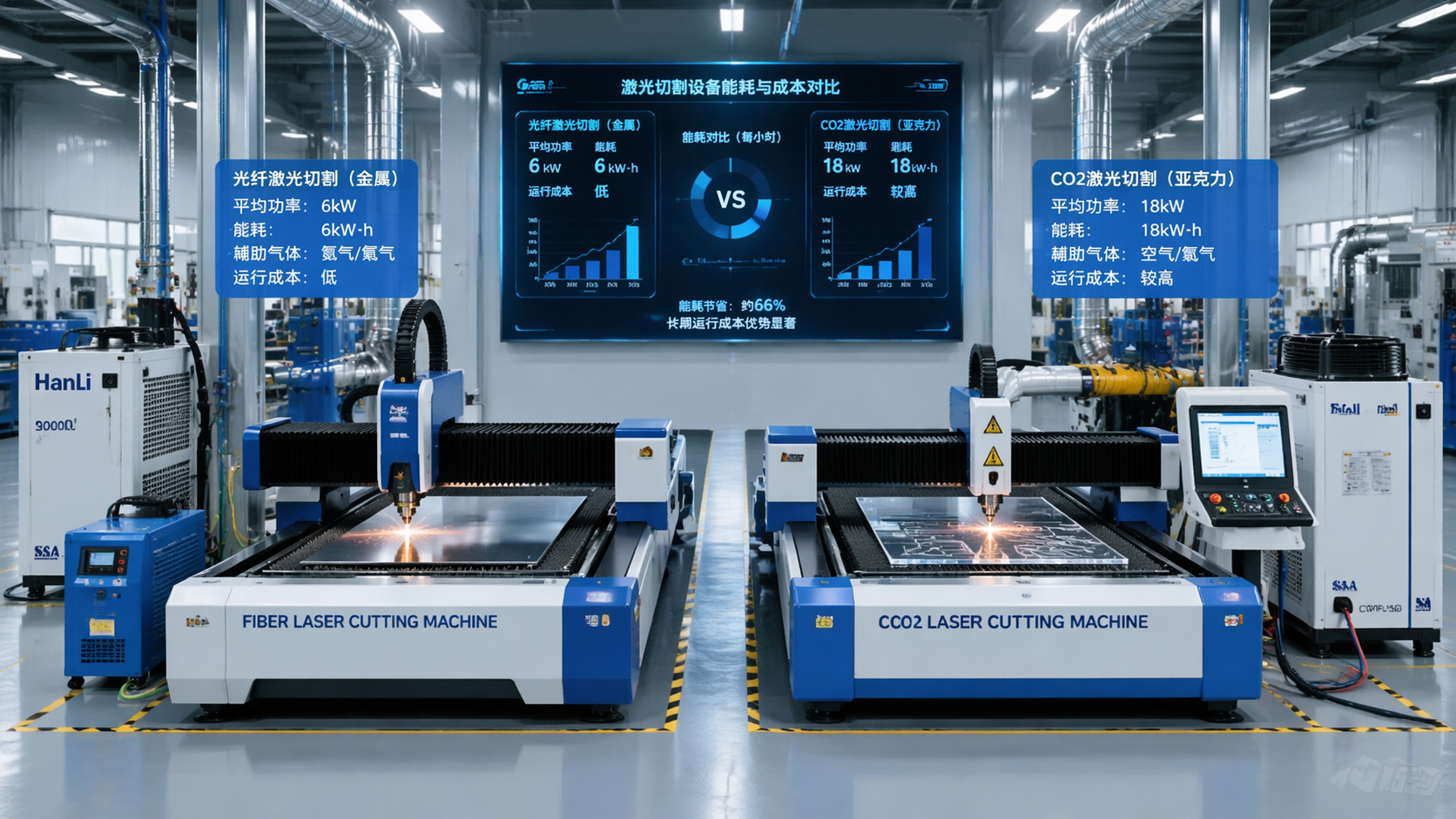
When evaluating cutting technology, the real question is not just speed or edge quality, but long-term operating cost. In Precision Manufacturing environments tied to Battery Manufacturing, Semiconductor Lithography, and advanced Laser Processing, the debate over Fiber Lasers vs CO2 affects energy use, maintenance cycles, thermal control, and total ownership value. This guide helps buyers, engineers, and decision-makers compare both systems through a practical cost-performance lens.
For procurement teams, plant managers, and technical evaluators, the cost gap between fiber lasers and CO2 systems is rarely decided by machine price alone. Electrical efficiency, consumables, uptime, operator training, gas demand, spare-part availability, and application fit all shape the real operating expense over 3 to 7 years.
In high-spec manufacturing lines, especially where thermal stability and repeatability matter, a poor technology match can increase scrap rates, disrupt production planning, and create hidden service costs. A practical comparison should therefore combine process physics with maintenance reality and purchasing logic.
Why Running Cost Matters More Than Purchase Price
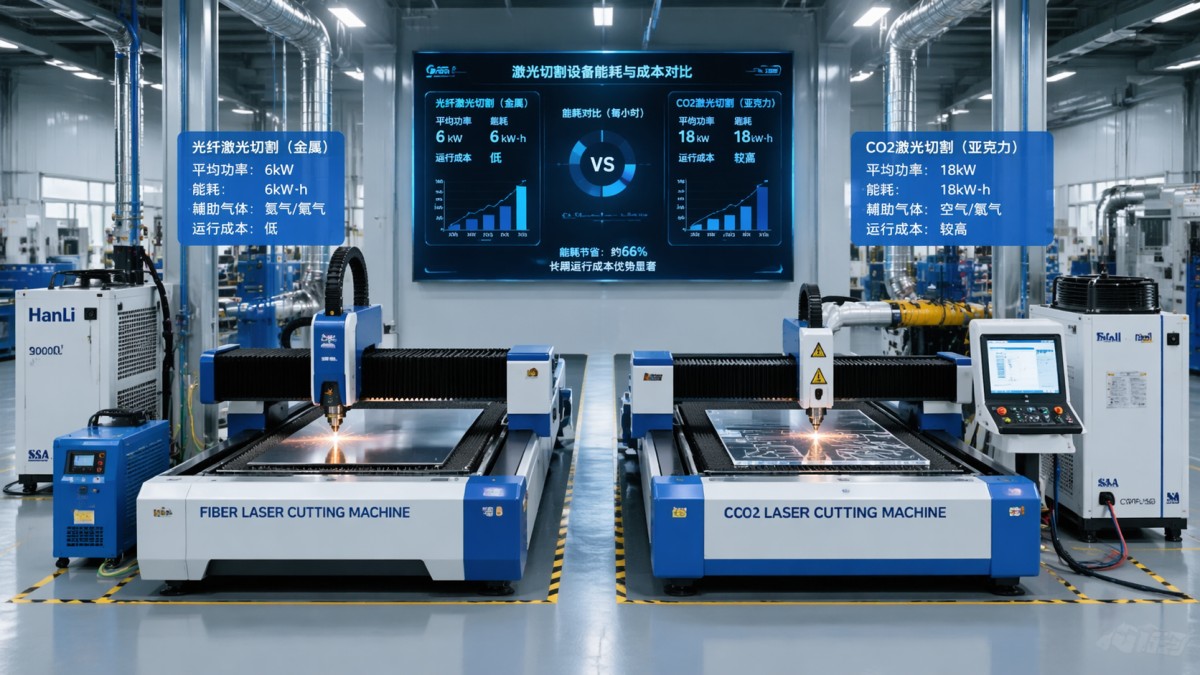
A capital equipment decision often starts with upfront cost, but operating cost can exceed the original machine price within 24 to 48 months in medium- to high-utilization plants. If a system runs 2 shifts per day, 5 to 6 days per week, electricity, service interventions, optics replacement, and gas supply become financial variables that directly affect gross margin.
Fiber lasers are generally favored for higher electrical efficiency. In many industrial cutting applications, wall-plug efficiency for fiber systems commonly ranges from about 25% to 40%, while traditional CO2 laser systems are often closer to 8% to 15%. That difference does not just change utility bills; it also influences heat load, cooling system demand, and facility planning.
CO2 systems still remain relevant in selected non-metal and mixed-material workflows, especially where wavelength interaction benefits acrylic, wood, textiles, paper, or certain composites. For buyers, the key question is not which technology is universally better, but which one produces the lowest cost per acceptable part under real production conditions.
For institutions like G-EBT and the industrial teams it serves, benchmarking must account for more than throughput. A stable process with predictable maintenance intervals every 2,000 to 4,000 operating hours may be more valuable than a theoretically faster machine with volatile downtime and harder-to-source consumables.
Core cost drivers to benchmark
- Electrical consumption per hour and per meter of cut
- Assist gas type, purity requirement, and monthly volume
- Optics cleaning, alignment frequency, and replacement cycle
- Chiller load, thermal stability, and environmental controls
- Scrap rate, edge quality consistency, and rework percentage
Fiber Laser vs CO2: Side-by-Side Operating Cost Factors
The comparison below summarizes the operating variables most procurement and engineering teams review during technical and commercial evaluation. The exact values vary by power level, material mix, and local utility pricing, but the matrix helps frame where recurring cost pressure usually appears first.
In metal-cutting environments, fiber systems often reduce routine operating cost because they simplify beam delivery and reduce maintenance intervention. In mixed-material workshops, however, CO2 may still remain commercially sensible if non-metal cutting accounts for 40% or more of machine utilization.
Where fiber lasers usually save money
The strongest cost advantage appears in sheet metal operations running stainless steel, carbon steel, copper, brass, or aluminum. Faster piercing, higher absorption in many metal applications, and lower maintenance complexity can reduce cost per part over a 12-month cycle. Plants processing 1 mm to 12 mm sheet in high volume typically see the clearest benefit.
Typical savings areas
- 10% to 30% lower electricity burden depending on workload and facility conditions
- Fewer manual alignment procedures during weekly or monthly maintenance
- Higher uptime in multi-shift operations where every hour of stoppage has production cost
Where CO2 may still be cost-effective
CO2 equipment may remain attractive for converters, sign makers, packaging suppliers, and specialty processors cutting plastics, wood, rubber, textiles, or acrylic. In these workflows, process suitability may outweigh electrical efficiency. If the machine avoids secondary finishing and supports a broader material portfolio, the overall business case can still be positive.
This is especially true in lower-duty operations running fewer than 20 to 25 productive hours per week. At that utilization level, the annual difference in utility cost may be less important than versatility, operator familiarity, and existing installed infrastructure.
Maintenance, Uptime, and Hidden Cost Exposure
Hidden cost often appears after installation, not before it. A machine that needs frequent mirror cleaning, beam alignment, or resonator service can create both direct expense and indirect loss through missed delivery schedules. For project managers and line supervisors, the most important metric is often not hourly machine rate, but unplanned downtime per quarter.
Fiber laser systems typically use solid-state beam generation with fiber delivery architecture that reduces the number of exposed optics in the beam path. In practice, this can lower the frequency of alignment-sensitive service work. CO2 systems, by contrast, may require more disciplined optical path checks, especially in environments with dust, vibration, or temperature variation beyond recommended limits.
For quality and safety teams, maintenance also affects consistency. If optics degrade slowly without immediate detection, edge quality, kerf width, taper, and heat-affected zone can shift over several production batches. In sectors where tolerance expectations fall within ±0.05 mm to ±0.20 mm, small drift can become a larger cost than spare parts.
A practical service evaluation should include mean time between interventions, technician availability within 24 to 72 hours, spare-part lead time, and whether operators can complete first-line maintenance in less than 30 minutes. These factors influence cost predictability as much as raw laser performance.
Maintenance comparison framework
The following table provides a service-oriented view of the two technologies. It is designed for buyers who need to estimate not just annual maintenance budget, but operational disruption risk across multiple sites or distributed manufacturing cells.
The main conclusion is straightforward: fiber lasers often reduce maintenance-related labor and downtime cost in metal-focused plants, while CO2 systems require a stronger service culture to remain cost-competitive. If your production model depends on 85% to 95% availability, maintenance simplicity becomes a strategic factor, not just a technical preference.
Common hidden costs buyers underestimate
- Production loss from 2 to 6 hours of unscheduled stoppage during peak order periods
- Quality drift causing rework on thin-gauge precision parts
- Higher HVAC or chiller burden in thermally sensitive facilities
- Long spare-part lead times for legacy CO2 subsystems in older installations
Application Fit: Which Technology Wins in Real Production Scenarios?
Running cost must always be measured against application suitability. A lower-energy bill does not help if the machine is slow on your target materials or causes unacceptable edge conditions. The right choice depends on material reflectivity, thickness band, batch size, tolerance needs, and whether the production line prioritizes flexibility or metal throughput.
In battery manufacturing and advanced enclosure fabrication, fiber lasers are often preferred because they handle conductive metals efficiently and support stable, repeatable cutting on thin foils, tabs, housings, and sheet components. In semiconductor-adjacent clean manufacturing, lower maintenance intervention can also help reduce contamination risk around sensitive production areas.
CO2 systems remain relevant where organic materials dominate and the wavelength offers cleaner process interaction. For distributors and integrators serving signage, display, packaging, or multi-material workshops, CO2 can deliver acceptable operating economics when material diversity matters more than peak metal cutting efficiency.
The best evaluation method is to map the machine against the top 3 material families and the top 2 business constraints. In many cases, that reveals whether the priority is lower cost per metal part, wider material coverage, or simpler service planning over a 5-year period.
Application decision matrix
This matrix helps users and commercial evaluators connect process type with likely operating-cost advantage. It is especially useful during RFQ review, factory expansion planning, or distributor portfolio positioning.
The practical takeaway is that fiber lasers usually win the operating-cost argument in metal-centric precision manufacturing, while CO2 can still be commercially rational in broader non-metal or lower-duty environments. The less homogeneous your workload, the more important sample testing and process validation become.
Questions to ask before selecting a system
- What percentage of annual production is metal versus non-metal?
- Is the target thickness range concentrated within 3 to 8 mm, or widely spread?
- How costly is one hour of downtime to your delivery schedule?
- Do local technicians support both technologies equally within 48 hours?
How Buyers Should Evaluate Total Cost of Ownership
A disciplined procurement process should convert technical differences into a comparable cost model. For most organizations, a 3-year and 5-year total cost of ownership view is more useful than a simple machine quotation. This is especially true for enterprise buyers, regional distributors, and project owners building capacity across multiple production lines.
Start with five categories: capital cost, electrical cost, maintenance labor, consumables, and downtime impact. Then add two risk variables: material mismatch and support response speed. A machine with a lower price but 8% more scrap or two extra service calls per quarter may become the more expensive option within year one.
Procurement teams should also separate fixed and variable costs. Chiller infrastructure, extraction systems, floor integration, and training are often one-time or semi-fixed. Gas usage, protective optics, nozzles, and service visits are variable and more closely tied to actual production volume.
For cross-functional review, include engineering, operations, finance, quality, and safety in the scoring process. A weighted model using 100 total points often works well, with 25 points for process fit, 20 for operating cost, 20 for uptime and service, 15 for quality consistency, 10 for safety/compliance, and 10 for supplier responsiveness.
Recommended 5-step evaluation process
- Define material mix, thickness range, annual cutting hours, and tolerance targets.
- Request sample cuts on at least 3 representative materials from each supplier.
- Model 36-month operating cost using local utility and labor rates.
- Review service terms, preventive maintenance scope, and spare-part lead time.
- Validate safety, extraction, and facility compatibility before final approval.
FAQ for technical buyers and project teams
Is fiber always cheaper to run than CO2?
Not always. In metal-dominant production, fiber is often cheaper to run because of better electrical efficiency and lower maintenance complexity. In non-metal-focused workshops or low-hour environments, CO2 may still be cost-effective if it better matches the material portfolio and reduces secondary processing.
What utilization level makes operating cost differences more visible?
The difference usually becomes more visible once a machine exceeds about 25 to 30 productive hours per week. At 2-shift operation, recurring costs compound quickly, and maintenance simplicity can materially affect profitability and delivery reliability.
What should distributors and resellers focus on?
They should focus on application segmentation, service capability, and parts availability. Selling the wrong technology into the wrong vertical creates post-sale support pressure, warranty disputes, and lower customer retention. A clear target by industry and material family is more valuable than a broad but vague product pitch.
For most metal-centric precision manufacturing environments, fiber lasers deliver lower running costs through higher electrical efficiency, reduced maintenance burden, and stronger uptime performance. CO2 systems remain relevant where non-metal versatility, existing workflow fit, or lower utilization levels shape the business case more than energy consumption alone.
The right decision comes from matching process physics to production economics, not from comparing headline power ratings in isolation. If your team is evaluating new cutting capacity, line upgrades, or distributor portfolio strategy, a structured cost-performance review will reduce risk and improve return on investment.
To assess the best-fit solution for your application, contact us for a tailored comparison, technical benchmarking support, or a customized total cost model aligned with your materials, throughput, and quality targets.
Technical Specifications
- Explosion-Proof Enclosure Prices: How Certification and Materials Affect Your QuoteAuthor :Dr. Aris Nano
- Selecting Heat Shrink Tubing for Wire Harnesses: Temperature, Ratio, and MaterialAuthor :Marcus Valve
- Selecting Servo Motors for CNC Machines: Torque, Speed, Inertia, and Duty CycleAuthor :Dr. Aris Nano
Expert Insights

Chief Security Architect
Dr. Thorne specializes in the intersection of structural engineering and digital resilience. He has advised three G7 governments on industrial infrastructure security.
Related Analysis
- Sep 13, 2026Explosion-Proof Enclosure Prices: How Certification and Materials Affect Your QuoteAuthor :Dr. Aris Nano
- Sep 12, 2026Selecting Heat Shrink Tubing for Wire Harnesses: Temperature, Ratio, and MaterialAuthor :Marcus Valve
- Sep 11, 2026Selecting Servo Motors for CNC Machines: Torque, Speed, Inertia, and Duty CycleAuthor :Dr. Aris Nano
Recommended News
- Explosion-Proof Enclosure Prices: How Certification and Materials Affect Your QuoteAuthor :Dr. Aris Nano

- Selecting Heat Shrink Tubing for Wire Harnesses: Temperature, Ratio, and MaterialAuthor :Marcus Valve

- Selecting Servo Motors for CNC Machines: Torque, Speed, Inertia, and Duty CycleAuthor :Dr. Aris Nano

- How to Evaluate a Brass Rod and Bar Manufacturer for Machining Quality and Supply ReliabilityAuthor :Dr. Aris Nano