When Does Plasma Cleaning Improve Bond Strength?
Author
Date Published
Reading Time
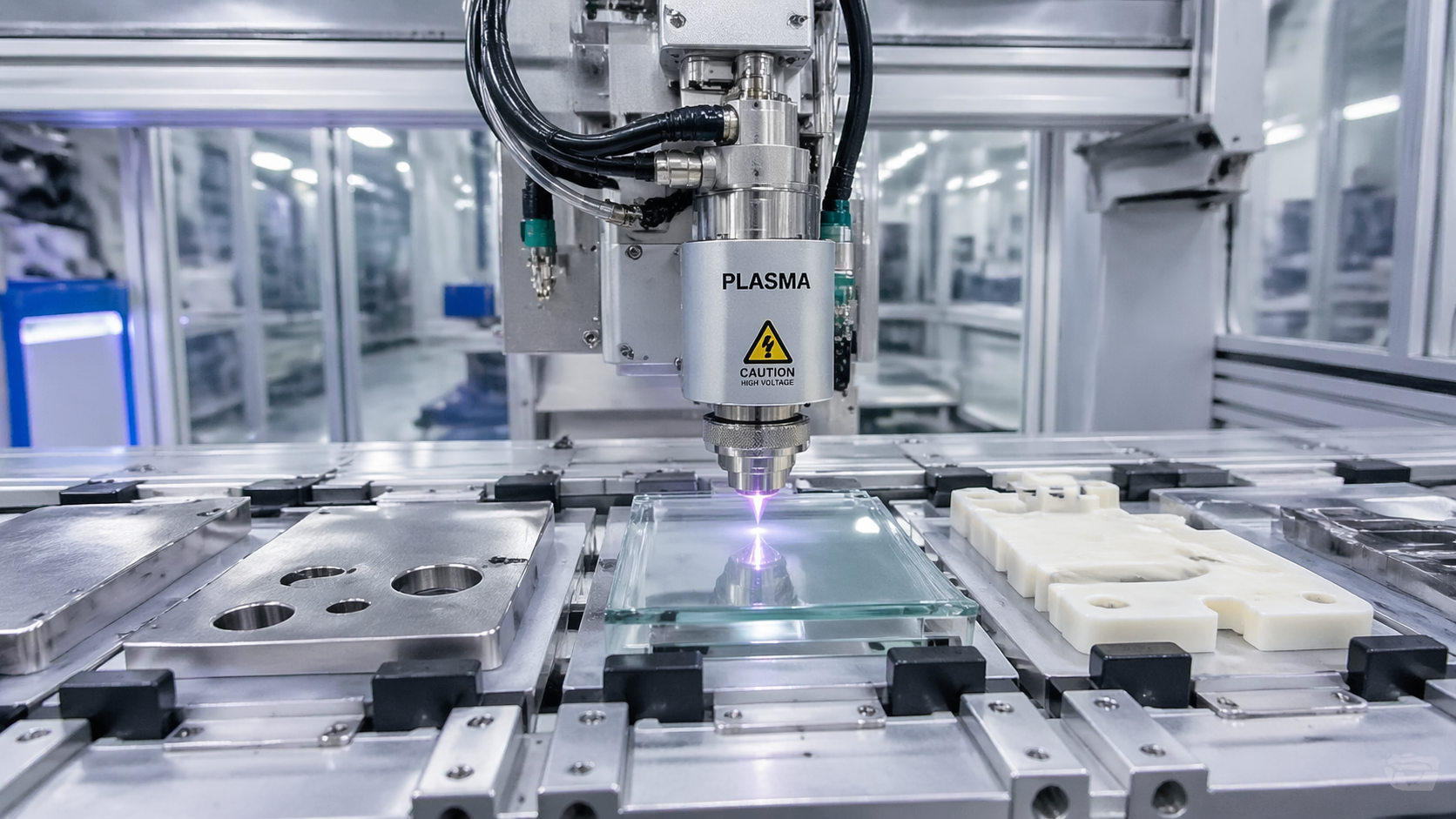
In precision manufacturing, plasma cleaning improves bond strength most reliably when adhesion problems are caused by surface contamination, low surface energy, weak wetting, or inconsistent pre-bond preparation. In practical terms, it delivers the biggest gains before bonding, coating, printing, sealing, overmolding, and lamination steps where even microscopic residues can reduce yield, reliability, and long-term product performance. For engineers and buyers, the key question is not whether plasma cleaning works in theory, but when it produces measurable process value compared with solvent cleaning, abrasion, or no treatment at all.
When is plasma cleaning actually worth it for bond strength?
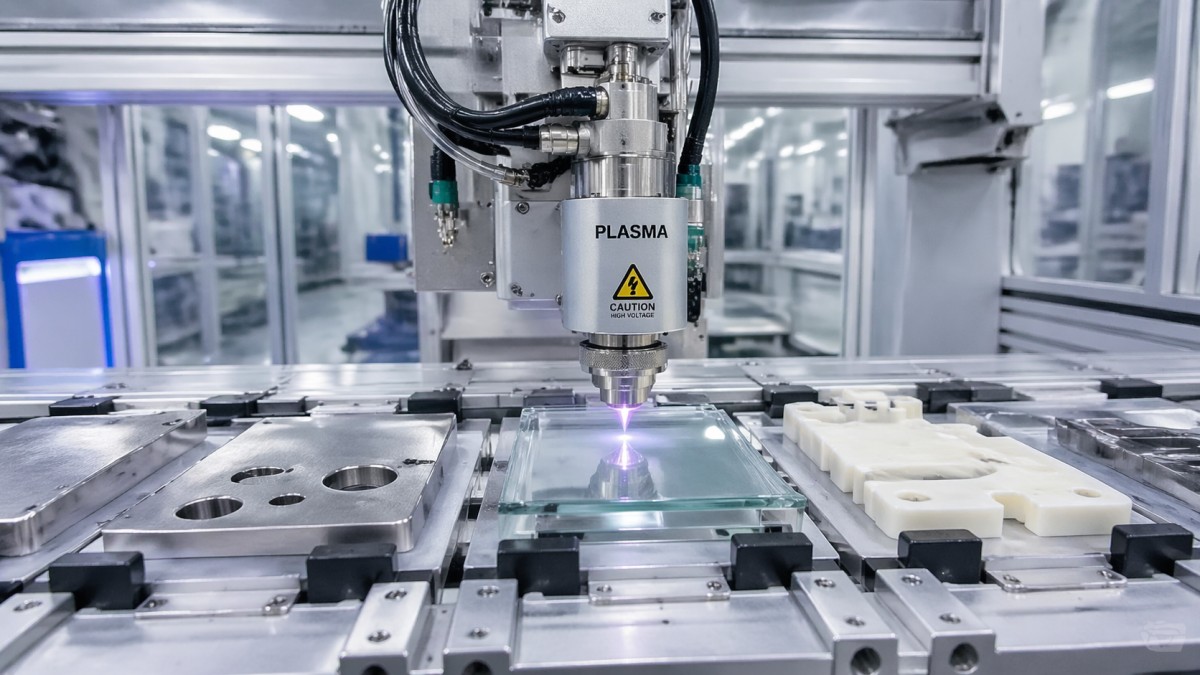
Plasma cleaning is worth using when the bonding interface is sensitive to contamination or when conventional cleaning cannot create a stable, repeatable surface condition. It is especially effective in cases such as:
- Organic contamination on metals, ceramics, glass, and polymers that interferes with adhesive wetting.
- Low-surface-energy plastics such as PP, PE, PTFE, or engineered polymers that are difficult to bond without activation.
- High-reliability assemblies where bond failure creates safety, warranty, or quality risks.
- Miniaturized or precision parts where mechanical abrasion is impractical or damaging.
- Automated production lines that need repeatable surface preparation with less operator variation.
- Processes requiring cleaner, drier, lower-residue preparation than solvent-only methods can provide.
The strongest business case appears when bond inconsistency is already creating scrap, rework, field failures, or process drift. In these situations, plasma cleaning can improve both bond strength and process stability.
Why does plasma cleaning improve adhesion in some applications but not all?
Plasma cleaning works by changing the surface condition at a very shallow level without bulk material removal. Depending on the gas chemistry and process design, it can:
- Remove hydrocarbons, oils, release agents, and fine organic residues
- Increase surface energy and improve wettability
- Create chemically active sites that support stronger adhesive interaction
- Reduce weak boundary layers that often cause premature bond failure
- Provide more uniform treatment across complex geometries
However, the improvement is not universal. Plasma cleaning is less effective when the root cause of poor bonding is unrelated to surface condition. For example, if an adhesive is chemically incompatible with the substrate, if cure conditions are wrong, if joint design is poor, or if the substrate is heavily oxidized or damaged beyond what plasma can address, bond strength gains may be limited.
In other words, plasma cleaning improves bond strength when surface preparation is the bottleneck. It does not replace proper adhesive selection, fixture design, curing control, or mechanical joint engineering.
Which materials and industries see the most measurable gains?
Plasma cleaning is widely used where contamination control and adhesion reliability directly affect performance, certification, or throughput.
Battery manufacturing: Surface activation before lamination, sealing, coating, or joining can improve adhesion consistency in cells, modules, and insulating components. This is especially relevant where particulates, organic residues, or low-energy polymer films affect yield.
Semiconductor and electronics: Plasma cleaning is often used before die attach, wire bonding support steps, underfill, coating, encapsulation, and advanced packaging operations. In these environments, microscopic contamination can have outsized effects on reliability.
Medical and life-science components: Device assemblies often require precise, low-residue surface preparation for polymer bonding, coating adhesion, and cleanliness-sensitive production.
Automotive and aerospace: High-performance composites, lightweight alloys, sensors, and electronic assemblies benefit from better bond repeatability, especially where environmental durability matters.
Industrial manufacturing: Plasma treatment supports printing, labeling, potting, gasket bonding, overmolding, and sealing across metals, ceramics, engineered plastics, and glass.
Among these sectors, the greatest gains usually appear where failure analysis repeatedly traces defects back to interface contamination, poor wetting, or variable pre-treatment quality.
How can you tell whether poor bond strength is really a surface problem?
This is one of the most important questions for engineers, quality teams, and procurement decision-makers. Plasma cleaning should be evaluated when several warning signs appear:
- Bond strength varies significantly between lots or shifts
- Adhesive beads or coatings show poor wetting or edge pullback
- Parts pass initial inspection but fail during thermal cycling, humidity, vibration, or aging
- Solvent cleaning improves results temporarily, but not consistently
- Surface contamination from machining fluids, handling, mold release, or packaging is difficult to control
- Mechanical roughening is too aggressive, too variable, or unsuitable for delicate parts
Useful evaluation methods include contact angle testing, dyne level checks, peel testing, shear testing, environmental aging studies, and surface analysis methods such as XPS or FTIR when available. For production environments, even simple before-and-after wetting and bond tests can provide practical evidence of whether plasma treatment adds value.
What types of plasma processes are commonly used before bonding?
The right plasma cleaning method depends on substrate type, contamination profile, throughput needs, and integration constraints.
Atmospheric plasma: Often chosen for inline, high-throughput manufacturing. It is suitable for localized treatment, automation, and parts that do not require vacuum processing. This option is common in automotive, electronics, packaging, and general industrial lines.
Low-pressure plasma: Typically used when uniform treatment, deeper cleaning control, or batch processing is needed. It is common in electronics, medical manufacturing, precision optics, and research-intensive production.
Gas chemistry selection: Oxygen plasma is often used for removing organic contamination and increasing surface energy. Argon can support physical activation or gentle sputter effects. Other gases may be selected for specific substrate chemistries and functional surface goals.
The decision should not be made on equipment type alone. What matters most is the match between treatment mechanism and actual bond failure mode.
What results should buyers and project leaders realistically expect?
Realistic expectations are essential. Plasma cleaning can improve bond strength, but its practical value is broader than a single laboratory number. Typical benefits may include:
- Higher initial bond strength
- Better bond consistency across batches
- Improved wetting and adhesive spread
- Reduced delamination during environmental testing
- Lower scrap and rework rates
- Less dependence on manual surface preparation
- Cleaner, more controllable pretreatment for regulated or high-spec applications
That said, performance gains vary widely by material and process. Some applications show dramatic adhesion improvement, especially with difficult polymers or contamination-sensitive assemblies. Others show only moderate gains because the previous cleaning method was already adequate.
For procurement and business evaluation teams, the strongest return on investment often comes from reduced defect cost, improved process capability, and fewer downstream reliability issues rather than bond strength increase alone.
What are the main limitations, risks, and implementation mistakes?
Plasma cleaning is not a cure-all, and poor implementation can reduce its benefit.
- Overtreatment: Excessive exposure can damage sensitive polymers or alter surfaces in undesirable ways.
- Under-treatment: Insufficient cleaning or activation may not solve the adhesion issue.
- Treatment-to-bond delay: Some activated surfaces age quickly, so bonding must occur within a controlled time window.
- Wrong gas selection: A process optimized for one substrate may be ineffective for another.
- Ignoring upstream contamination sources: If oils, release agents, or handling contamination continue unchecked, plasma becomes a temporary patch rather than a stable solution.
- Incomplete qualification: Relying on short-term peel results without aging, humidity, and thermal validation can create false confidence.
A successful implementation usually includes contamination mapping, parameter development, validation testing, maintenance planning, and operator control standards.
How should companies evaluate whether plasma cleaning belongs in their process?
A practical evaluation framework should answer five questions:
- What is the current bond failure mode? Identify whether contamination, low surface energy, oxide condition, or process variation is the root cause.
- What is the target outcome? Higher bond strength, better durability, fewer defects, improved wettability, or cleaner qualification performance.
- What evidence will prove success? Use measurable criteria such as peel strength, shear strength, contact angle, Cpk, yield, or aging results.
- Can the process fit production reality? Consider throughput, automation, footprint, maintenance, operator skill, and line integration.
- Does the economic case hold? Compare capital and operating cost against scrap reduction, reliability improvement, and customer quality impact.
For many B2B manufacturers, pilot testing is the right path. A controlled comparison between untreated parts, conventionally cleaned parts, and plasma-treated parts often reveals whether the technology delivers enough value to justify adoption.
Conclusion: when does plasma cleaning improve bond strength?
Plasma cleaning improves bond strength when adhesion is being limited by surface contamination, weak wetting, or low surface energy, and when the bonding process depends on clean, repeatable interface conditions. It is most valuable in precision, high-reliability, and contamination-sensitive manufacturing where traditional cleaning methods are inconsistent, too aggressive, or insufficient.
For engineers, the right question is not simply “Does plasma cleaning work?” but “Is surface condition the real reason our bonds fail or vary?” For buyers and decision-makers, the strongest justification usually comes from improved process stability, lower quality cost, and better long-term reliability. When evaluated against actual failure modes and validated with production-relevant testing, plasma cleaning can be a highly effective step for stronger, more dependable bonding.
Technical Specifications
- Explosion-Proof Enclosure Prices: How Certification and Materials Affect Your QuoteAuthor :Dr. Aris Nano
- Selecting Heat Shrink Tubing for Wire Harnesses: Temperature, Ratio, and MaterialAuthor :Marcus Valve
- Selecting Servo Motors for CNC Machines: Torque, Speed, Inertia, and Duty CycleAuthor :Dr. Aris Nano
Expert Insights

Chief Security Architect
Dr. Thorne specializes in the intersection of structural engineering and digital resilience. He has advised three G7 governments on industrial infrastructure security.
Related Analysis
- Sep 13, 2026Explosion-Proof Enclosure Prices: How Certification and Materials Affect Your QuoteAuthor :Dr. Aris Nano
- Sep 12, 2026Selecting Heat Shrink Tubing for Wire Harnesses: Temperature, Ratio, and MaterialAuthor :Marcus Valve
- Sep 11, 2026Selecting Servo Motors for CNC Machines: Torque, Speed, Inertia, and Duty CycleAuthor :Dr. Aris Nano
Recommended News
- Explosion-Proof Enclosure Prices: How Certification and Materials Affect Your QuoteAuthor :Dr. Aris Nano

- Selecting Heat Shrink Tubing for Wire Harnesses: Temperature, Ratio, and MaterialAuthor :Marcus Valve

- Selecting Servo Motors for CNC Machines: Torque, Speed, Inertia, and Duty CycleAuthor :Dr. Aris Nano

- How to Evaluate a Brass Rod and Bar Manufacturer for Machining Quality and Supply ReliabilityAuthor :Dr. Aris Nano