How to Avoid Burn Marks in Laser Processing?
Author
Date Published
Reading Time
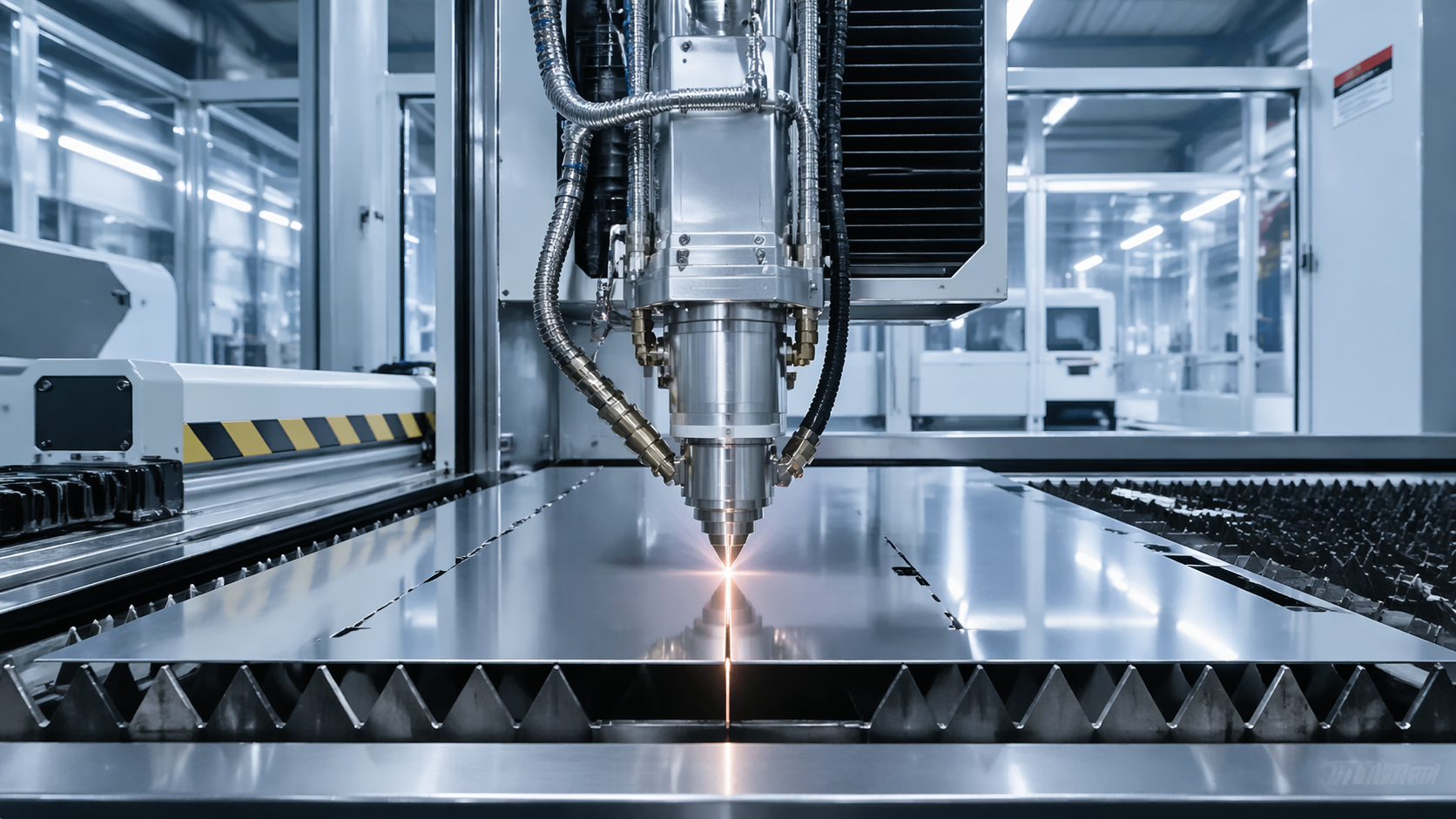
In Laser Processing, burn marks can compromise precision manufacturing, surface integrity, and downstream quality control. For teams working with fiber lasers in battery manufacturing, semiconductor lithography, and other heat-sensitive applications, understanding how thermal gradients, material response, and process parameters interact is essential. This guide explains practical ways to reduce scorching, improve consistency, and support cleaner production outcomes across advanced industrial environments.
Burn marks in laser processing are usually not caused by a single factor. In most industrial settings, they result from excessive localized heat input, poor parameter matching, unstable focus, contamination, assist-gas problems, or inadequate process control for the material being processed. The good news is that scorch defects can often be reduced significantly by improving energy density control, thermal management, motion strategy, and process consistency. For operators, this means better settings and maintenance discipline. For engineers and decision-makers, it means lower scrap, stronger quality performance, and more reliable throughput.
Why do burn marks happen in laser processing in the first place?
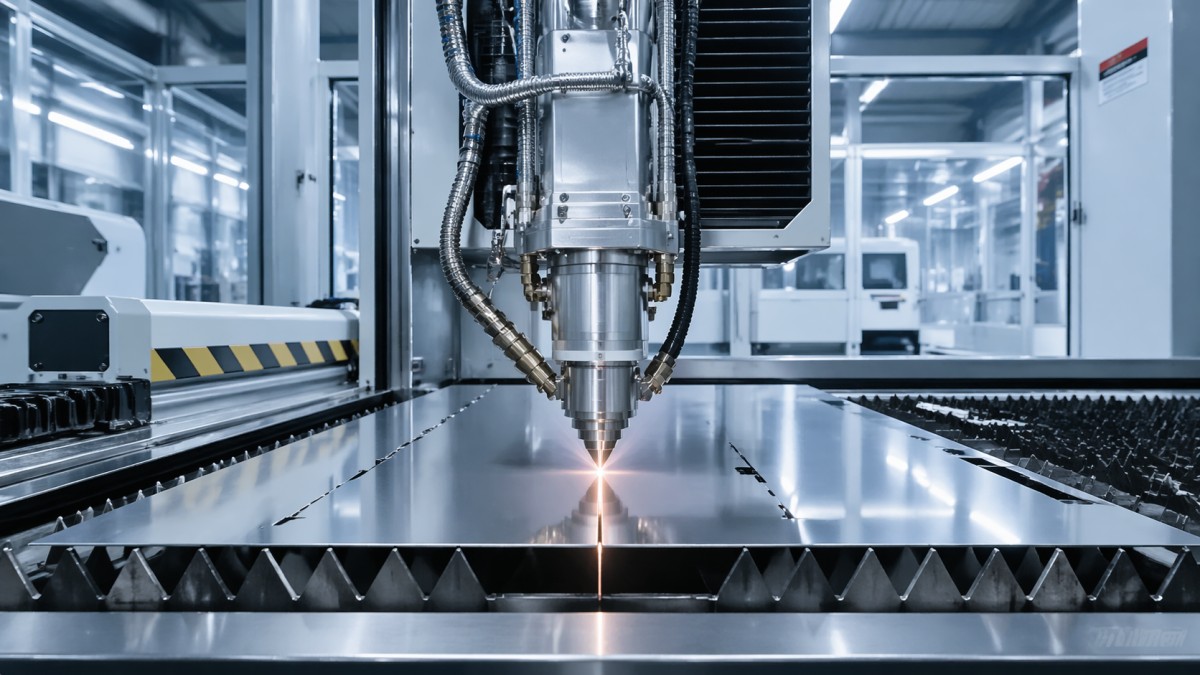
At a practical level, burn marks appear when the workpiece absorbs more heat than the process window can safely tolerate. Instead of clean ablation, cutting, marking, or welding, the material experiences overheating, oxidation, carbonization, discoloration, edge charring, or a heat-affected zone larger than specification allows.
The most common root causes include:
- Excessive laser power relative to material thickness, coating, reflectivity, or thermal sensitivity
- Low processing speed, which increases dwell time and heat accumulation
- Improper focal position, causing energy concentration in the wrong area
- Poor pulse settings, such as pulse duration or frequency that generate too much thermal load
- Inadequate assist gas flow, leading to oxidation, debris retention, or weak heat evacuation
- Dirty optics or unstable beam quality, which create irregular energy delivery
- Material contamination, including oil, oxide layers, adhesives, or surface residues
- Heat buildup over repeated passes in dense geometries or high-duty-cycle production
In advanced manufacturing, burn marks are not just cosmetic. They can affect adhesion, conductivity, fatigue life, sealing performance, dimensional tolerance, coating quality, and compliance with customer or regulatory standards.
What process parameters should you check first?
If burn marks are appearing, the fastest path to improvement is to review the parameters that most directly control heat input. Many teams spend too much time blaming the laser source or material supplier before verifying the basics.
Start with these settings:
- Laser power: Reduce power incrementally and observe whether the defect shifts from scorching to clean processing without sacrificing productivity.
- Scanning or cutting speed: Increasing speed often reduces burn marks by lowering heat exposure time.
- Pulse duration and frequency: For pulsed systems, shorter pulses generally reduce thermal diffusion and limit burn effects on sensitive substrates.
- Spot size and focal position: A beam that is too tightly focused or focused below/above the optimal plane can create overheating, taper issues, or excessive edge damage.
- Hatch spacing and overlap: In marking, cleaning, or surface texturing, too much overlap can drive unnecessary reheating.
- Number of passes: Several controlled passes may be cleaner than one aggressive pass, but only if inter-pass heat accumulation is managed properly.
For operators, the key is to avoid changing too many variables at once. For process engineers and quality teams, building a parameter matrix with measured outputs is far more effective than relying on trial-and-error alone.
How do material properties affect the risk of scorching?
Material response is one of the biggest reasons a stable process on one line fails on another. Even when the laser system is the same, differences in thermal conductivity, absorptivity, coatings, moisture content, thickness, and surface finish can shift the burn threshold substantially.
Examples include:
- Thin metals: They may deform or discolor quickly when the heat input is not tightly controlled.
- Polymers and composites: These are especially vulnerable to charring, melting, and edge carbonization.
- Coated materials: Paints, films, anodized layers, and plated surfaces can react unpredictably and produce visible burn halos.
- Copper and aluminum alloys: High reflectivity and thermal conductivity can make the process window narrow and unstable.
- Battery materials and laminated structures: Multi-layer stacks often trap heat and can suffer from delamination or residue if parameters are not optimized.
This is why incoming material control matters. Procurement teams and production managers should not assume nominally similar materials will process identically. Small differences between suppliers can produce major quality variation in laser processing.
What machine and optical issues commonly lead to burn marks?
Even the best parameter recipe will struggle if the machine is not delivering stable beam conditions. Burn defects often increase gradually, which makes maintenance-related causes easy to overlook.
Common equipment-side contributors include:
- Contaminated protective lenses or mirrors that distort or absorb energy
- Beam misalignment that shifts the effective energy distribution
- Unstable power output from the laser source
- Poor motion system calibration causing uneven dwell or path inconsistency
- Assist gas nozzle wear or blockage reducing heat and debris removal efficiency
- Insufficient cooling performance in high-duty-cycle environments
For quality managers and project owners, this reinforces an important point: if burn marks are recurring, the problem may not be operator skill alone. A structured maintenance and calibration plan is often part of the solution.
How can operators reduce burn marks during daily production?
On the shop floor, preventing burn marks depends on disciplined execution. Small deviations in setup, cleanliness, and monitoring can create large differences in output quality.
Practical actions include:
- Clean the workpiece surface before processing to remove oil, dust, oxide, and adhesive residue
- Verify focal position at the start of each production run
- Confirm nozzle condition and assist gas pressure before processing critical parts
- Use validated parameter libraries by material type, thickness, and finish
- Monitor edge color, plume behavior, and residue as early warning signs of overheating
- Allow cooling intervals when processing dense features or heat-sensitive geometries
- Run first-article inspection before committing to batch production
For repeat jobs, standardized work instructions are essential. Burn marks often increase when process knowledge remains informal and dependent on individual operator habit.
What process strategies work best for heat-sensitive applications?
In industries such as battery manufacturing, electronics, medical components, and precision photonic fabrication, reducing thermal damage is often more important than maximizing raw power. In these environments, the best strategy is usually to lower uncontrolled heat accumulation rather than simply aiming for faster material removal.
Effective strategies may include:
- Using shorter pulse durations to minimize thermal diffusion
- Optimizing beam mode and spot size for cleaner energy distribution
- Applying multiple low-energy passes instead of one high-energy pass where appropriate
- Improving assist gas selection to reduce oxidation and evacuate molten material or debris
- Using fixture designs that support heat dissipation
- Adjusting tool paths to avoid repeated heating in the same local area
- Introducing in-line monitoring for plume, temperature, or vision-based defect detection
For enterprise buyers and technical leaders, these strategies are also relevant during equipment selection. A machine’s controllability, software flexibility, beam stability, and process monitoring capabilities may matter more than nameplate power alone.
How should buyers and decision-makers evaluate solutions for burn-mark reduction?
If burn marks are affecting yield, warranty risk, or customer acceptance, solving the issue should be treated as both a technical and commercial decision. The right evaluation framework goes beyond asking whether a machine can process a sample successfully in ideal conditions.
Decision-makers should assess:
- Process window stability: How wide is the acceptable operating range before defects appear?
- Material adaptability: Can the system handle lot-to-lot and supplier-to-supplier variation?
- Monitoring and traceability: Are there tools for logging parameters, alarms, and quality events?
- Maintenance burden: How sensitive is the process to optics contamination and calibration drift?
- Operator dependence: Does stable quality require expert intervention, or is the system production-friendly?
- Total cost of quality: What is the impact on scrap, rework, throughput, and downstream inspection?
For procurement teams, a low purchase price can be misleading if the system produces unstable heat input, narrow tolerances, or frequent burn-related rejects. For business evaluators, the stronger metric is cost per conforming part, not equipment price alone.
A practical troubleshooting checklist for recurring burn marks
When the defect is already happening in production, this sequence helps teams identify the cause efficiently:
- Check whether the issue is tied to one material lot, one geometry, or all parts
- Inspect optics, nozzle, and beam delivery path for contamination or wear
- Review actual versus programmed power, speed, pulse, and focus settings
- Confirm assist gas type, purity, pressure, and flow stability
- Inspect surface cleanliness and pre-processing condition of the workpiece
- Test reduced heat input through lower power, higher speed, or shorter pulse settings
- Evaluate path strategy for overlap, corners, tight radii, and repeated local heating
- Document results and lock the corrected parameter window into standard process control
This method helps separate material issues from machine issues and process issues, which is critical for fast corrective action.
Conclusion: preventing burn marks requires control, not guesswork
To avoid burn marks in laser processing, the central principle is simple: control the thermal load more precisely than the material’s damage threshold. In practice, that means optimizing power, speed, pulse behavior, focus, gas flow, cleanliness, and machine condition together rather than in isolation.
For operators, the biggest gains often come from better setup discipline and parameter validation. For engineers, the priority is a stable process window matched to real material behavior. For managers and buyers, the goal is consistent quality, lower scrap, and equipment capability that supports industrial repeatability. When burn-mark prevention is approached systematically, laser processing becomes cleaner, more predictable, and more valuable across high-performance manufacturing environments.
Technical Specifications
- Explosion-Proof Enclosure Prices: How Certification and Materials Affect Your QuoteAuthor :Dr. Aris Nano
- Selecting Heat Shrink Tubing for Wire Harnesses: Temperature, Ratio, and MaterialAuthor :Marcus Valve
- Selecting Servo Motors for CNC Machines: Torque, Speed, Inertia, and Duty CycleAuthor :Dr. Aris Nano
Expert Insights

Chief Security Architect
Dr. Thorne specializes in the intersection of structural engineering and digital resilience. He has advised three G7 governments on industrial infrastructure security.
Related Analysis
- Sep 13, 2026Explosion-Proof Enclosure Prices: How Certification and Materials Affect Your QuoteAuthor :Dr. Aris Nano
- Sep 12, 2026Selecting Heat Shrink Tubing for Wire Harnesses: Temperature, Ratio, and MaterialAuthor :Marcus Valve
- Sep 11, 2026Selecting Servo Motors for CNC Machines: Torque, Speed, Inertia, and Duty CycleAuthor :Dr. Aris Nano
Recommended News
- Explosion-Proof Enclosure Prices: How Certification and Materials Affect Your QuoteAuthor :Dr. Aris Nano

- Selecting Heat Shrink Tubing for Wire Harnesses: Temperature, Ratio, and MaterialAuthor :Marcus Valve

- Selecting Servo Motors for CNC Machines: Torque, Speed, Inertia, and Duty CycleAuthor :Dr. Aris Nano

- How to Evaluate a Brass Rod and Bar Manufacturer for Machining Quality and Supply ReliabilityAuthor :Dr. Aris Nano